
Installing software on your Windows PC

Installing software on your Windows PC


Your computer allows you to do some really amazing things. Digital photo editing, sophisticated computer gaming, video streaming—all of these things are possible because of different types ofsoftware. Developers are always creating new software applications, which allow you to do even more with your computer.


Installing from a CD-ROM


From the mid-1990s through the late 2000s, the most common way to get new software was to purchase a CD-ROM. You could then insert the disc, and the computer would walk you through through the installation.


Now, almost all software has moved away from this model. Many new computers no longer include a CD-ROM for this reason. However, if you do need to install software from a CD-ROM, simply insert the disc into your computer, then follow the instructions.


Installing software from the Web


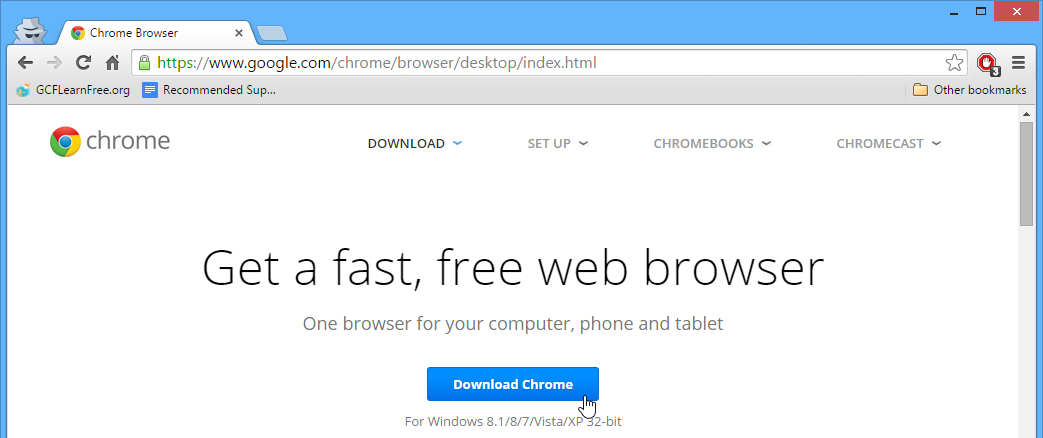
Today, the most common way to get new software is todownload it from the Internet. Applications like Microsoft Office and Adobe Photoshop can now be purchased and downloaded right to your computer. You can also install free software this way. For example, if you wanted to install the Google Chrome web browser, you can visit this pageand click the Download button.


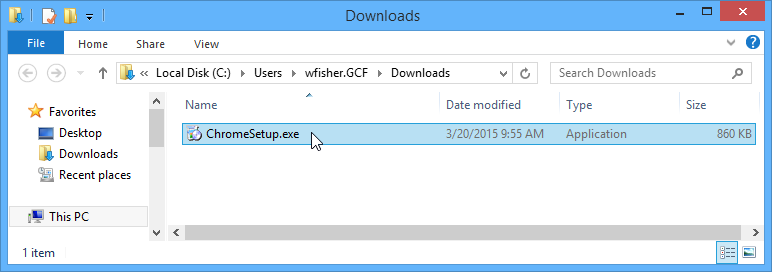
The installation file will be saved to your computer in .exe format. Pronounced dot e-x-e, this is the standard extension for installation files on Windows computers. You can follow the steps below to install an application from an .exe file.


Locate and download an .exe file.


Locate and double-click the .exe file. (It will usually be in yourDownloads folder.)


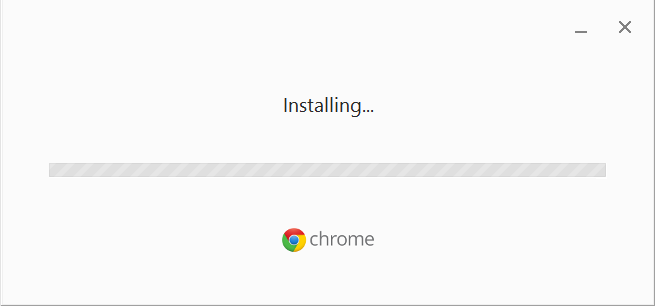
A dialog box will appear. Follow the instructions to install the software.


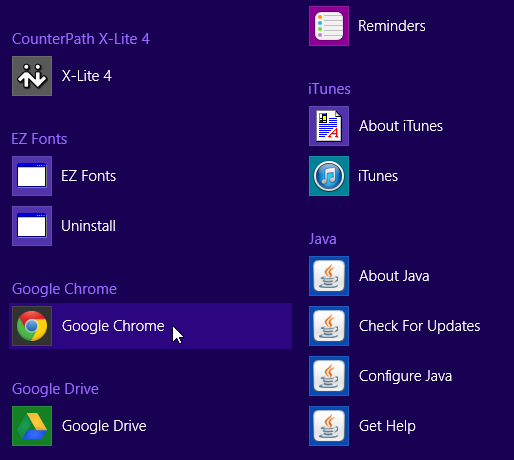
The software will be installed. You can now open the application from the Start menu (Windows 7) or theStart Screen (Windows 8).

Comments

Popular posts from this blog

Windows network diagnostic commands

ipconfig- Ipconfig is a Console Command which can be issued to the Command Line Interpreter (or command prompt) to display the network settings currently assigned to any or all network adapters in the machine. This command can be utilised to verify a network connection as well as to verify your network settings. netstat- Displays active TCP connections, ports on which the computer is listening, Ethernet statistics, the  IP  routing table, IPv4 statistics (for the IP, ICMP, TCP, and UDP protocols), and IPv6 statistics (for the IPv6, ICMPv6, TCP over IPv6, and UDP over IPv6 protocols). Used without parameters, netstat displays active TCP connections. tracert- The tracert command is used to visually see a network packet being sent and received and the amount of hops required for that packet to get to its destination. Users with Microsoft Windows 2000 and Windows XP who need additional information network latency and network loss should also consider using the pathp...

How to Install Windows 7 OS

Installing Using a Windows installation DVD                                  Enter your computer's BIOS.  Turn off the computer that you want to install Windows on then turn it back on. When the BIOS screen appears or you are prompted to do so, press  Del ,  Esc ,  F2 ,  F10 , or  F9  (depending on your computer’s motherboard) to enter the system BIOS. Th e key to enter the BIOS is usually shown on the screen. Find your BIOS's boot options menu.  The boot options menu of your BIOS may vary in location or name from the illustration, but you may eventually find it if you search around. If you can't find the boot options menu, search the name of your BIOS (most likely located in the BIOS menu) Select the CD-ROM drive as the first boot device of your computer. Although this method may vary among computers, the boot options menu is typically a menu of mova...